Can Agriculture Feel Creative, Modern and Worth Choosing?
Published 3 August 2026
Published 3 August 2026
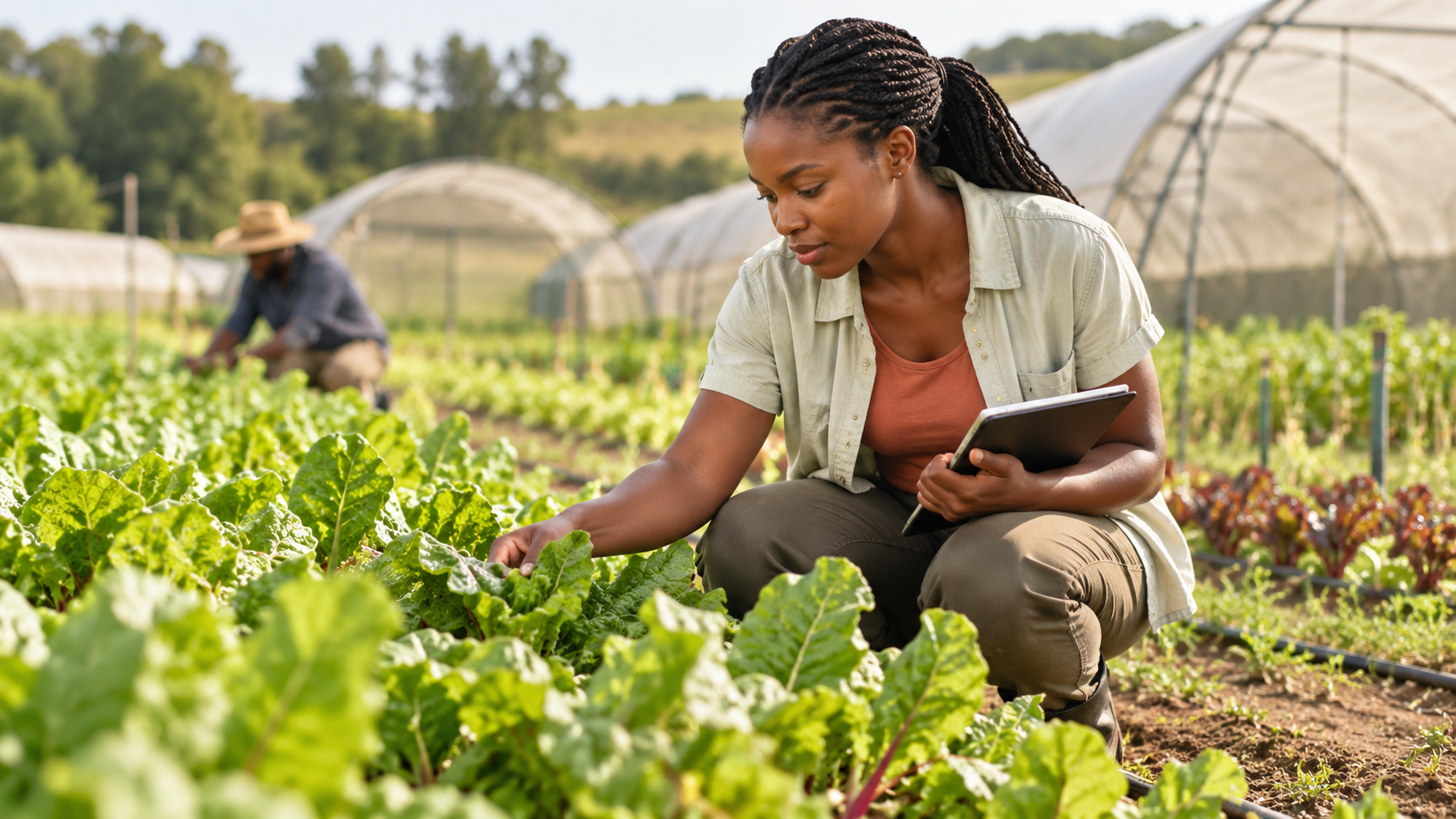
For many young people, agriculture is introduced as something important, but not always as something they can imagine building a future around. It is often associated with hard physical work, uncertain income and an older generation of farmers. When that is the only picture presented, it is understandable that many young people look elsewhere.
But agriculture is broader than planting and harvesting. It can include irrigation, digital tools, renewable energy, nurseries, food processing, marketing, design, environmental restoration and entrepreneurship. So instead of asking only, “How do we convince young people to farm?”, perhaps we should ask a better question: How do we build an agriculture that young people genuinely want to be part of?
A young person interested in technology can help improve irrigation, farm information or market access. Someone interested in business can connect farmers with buyers or develop value-added products. A designer can improve packaging and communication. A storyteller can help communities share knowledge about soil, food, water and climate.
This wider view matters because young people should not be seen only as labour for agriculture. They should also have room to shape what agriculture becomes.
Rwanda’s Ministry of Agriculture and Animal Resources has made a similar point. At the International Young Farmers’ Summit in Kigali, then Permanent Secretary Jean-Claude Musabyimana said:
“For the African agriculture to experience transformation, youth need to occupy leadership roles in all aspects of its value chains.”
He also stressed that young people need access to production resources, finance and skills to play those roles. Source: Rwanda Ministry of Agriculture and Animal Resources
African Development Bank President Akinwumi Adesina has argued for changing the image of the sector too:
“The food business is a big business but we have to make it a cool business for youth.”
His point was not simply about making farming fashionable. He argued that young people should approach agriculture as a professional career and a business. Source: African Development Bank
FAO has also highlighted how digital services can change the way farmers do business, improve access to information and open agricultural opportunities for young people. Source: Food and Agriculture Organization of the United Nations
This thinking is shaping Indatana, Nurtiva’s youth-centred work around sustainable agriculture, restoration and participation. We want young people to encounter agriculture through practical experience rather than only through instruction.
That can mean learning how seedlings grow, understanding irrigation, exploring markets, restoring land, meeting farmers, testing simple ideas or using creativity to communicate environmental issues. Not every young person involved needs to become a farmer. Some may become agripreneurs, technicians, communicators, designers, researchers or community organisers.
The important thing is for young people to see that food systems and agriculture have space for different talents.
Making agriculture attractive cannot be achieved through slogans. It has to offer real opportunities to learn, create, earn and contribute. It also has to be honest about the barriers young people face, including access to land, finance, water, markets and reliable income.
Those challenges are precisely where new ideas are needed.
For Nurtiva, agriculture becomes modern not simply because a new machine arrives. It becomes modern when people can question old approaches, test better ones and build solutions that make sense for their communities.
And it becomes worth choosing when a young person can look at agriculture and think:
There is something here that I can build.
That is the possibility we want Indatana to help young people discover.