CNN Call to Earth Day 2026: Think Blue
Nurtiva is participating in CNN Call to Earth Day 2026 on October 8. Learn what this year's Think Blue theme means and how Nurtiva members can take part.
Nurtiva is participating in CNN Call to Earth Day 2026 on October 8. Learn what this year's Think Blue theme means and how Nurtiva members can take part.
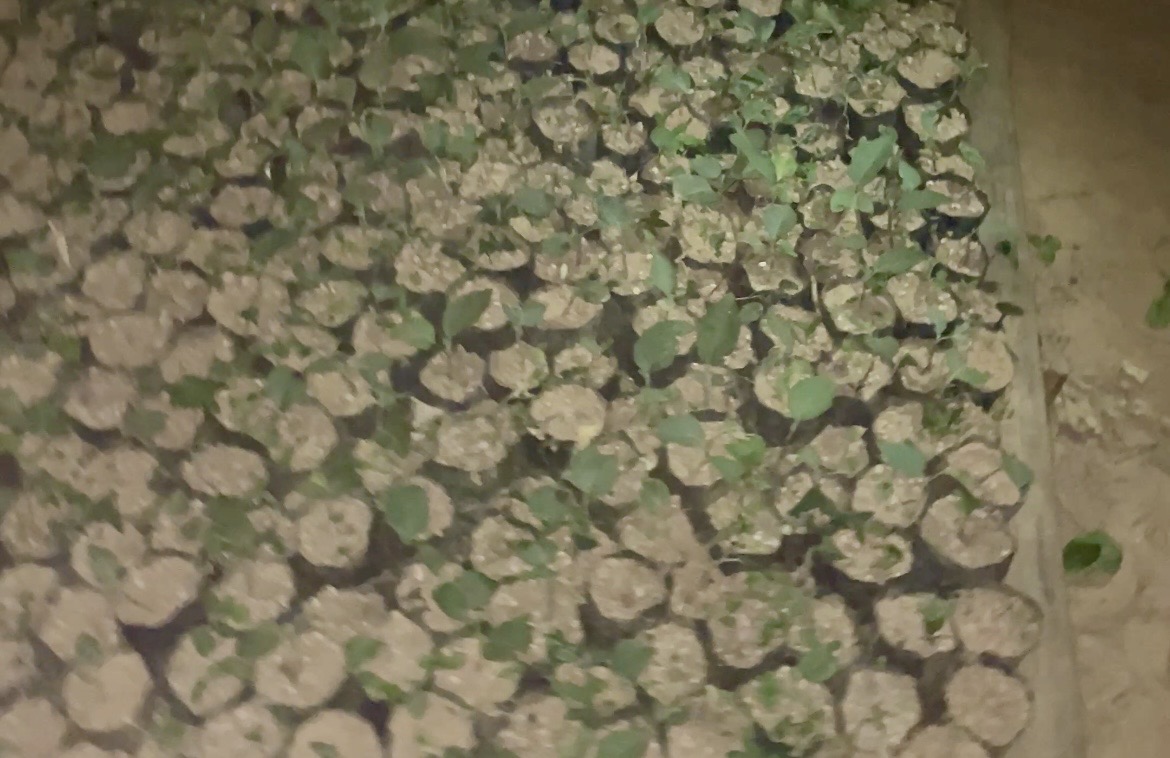
One nursery grower told us that after two losses since July linked to drainage, another failure could mean quitting. For a community already struggling with the price and availability of fresh food, the story raises a wider question about how fragile local production can become.
One grower showed us a small water-holding solution he created so he could keep producing vegetables. It is a modest structure, but it reveals how people are already adapting before any outside system arrives.
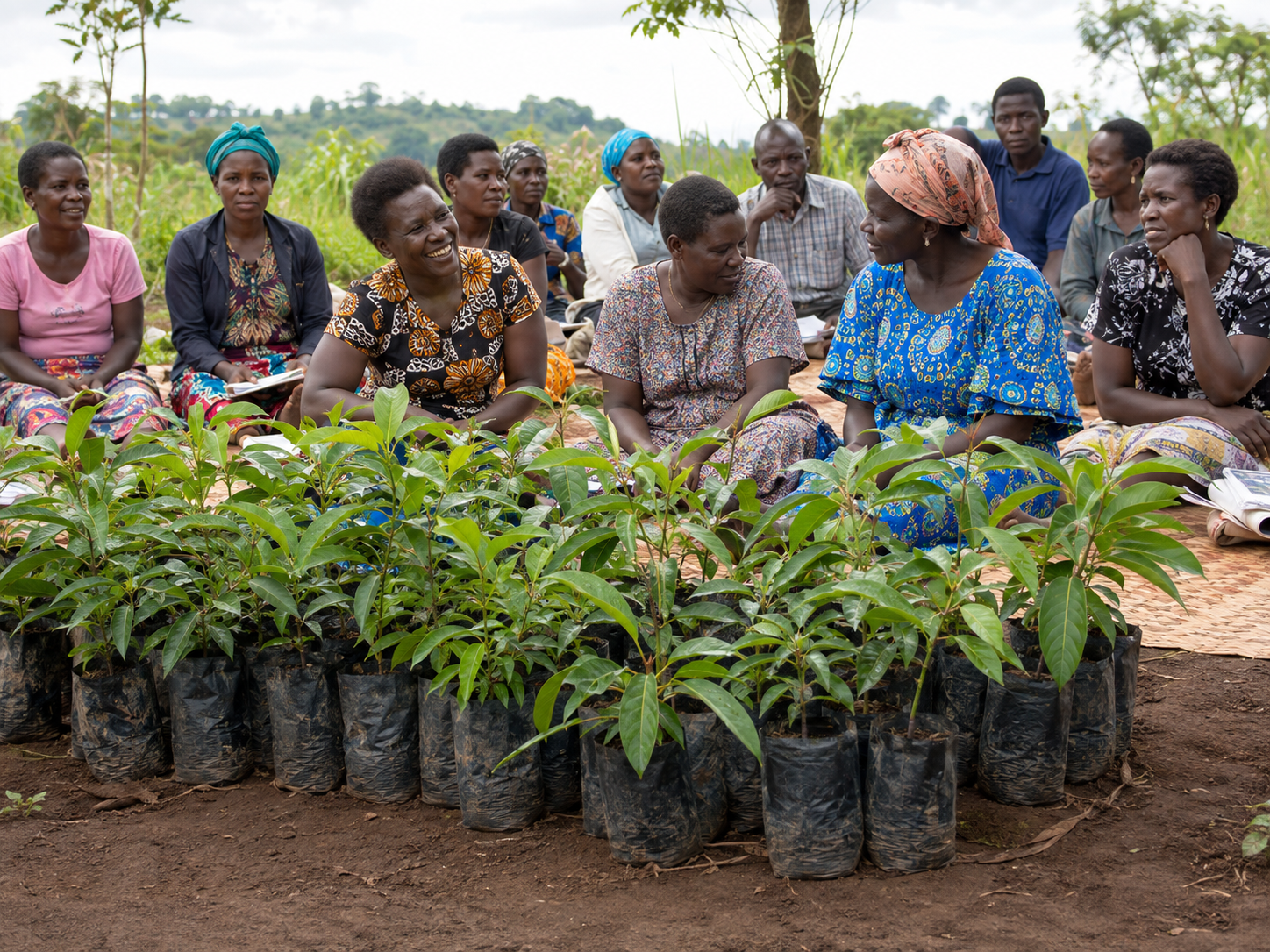
Women we spoke with described how vegetable prices are changing what feels easy to put on the table. Their experiences are pushing us to look at irrigation not only as a farming issue, but as part of everyday food access.
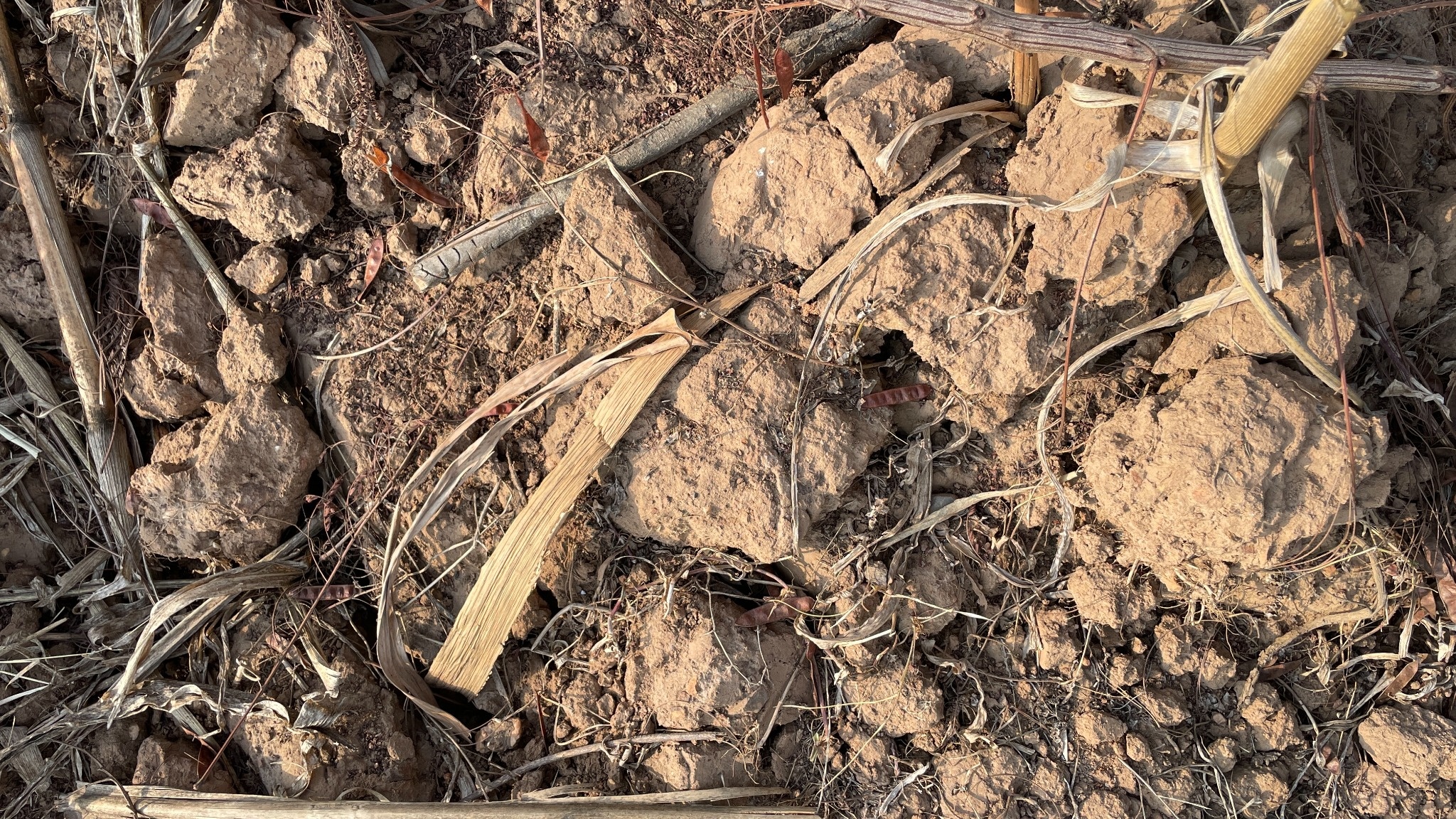
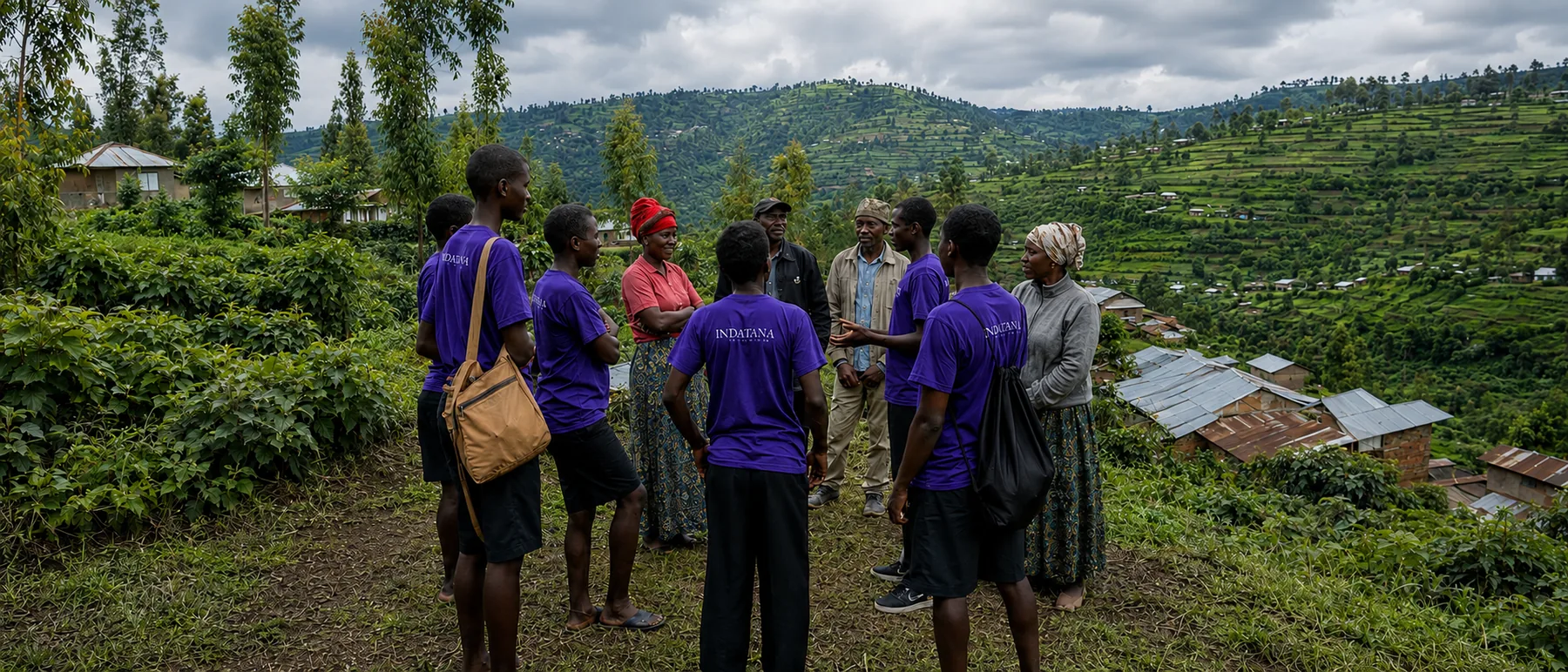
We went into the community to listen. Across different conversations, one concern kept returning: water. Farmers want to grow, families want affordable vegetables and fruit, and growers are already trying their own ways to cope.
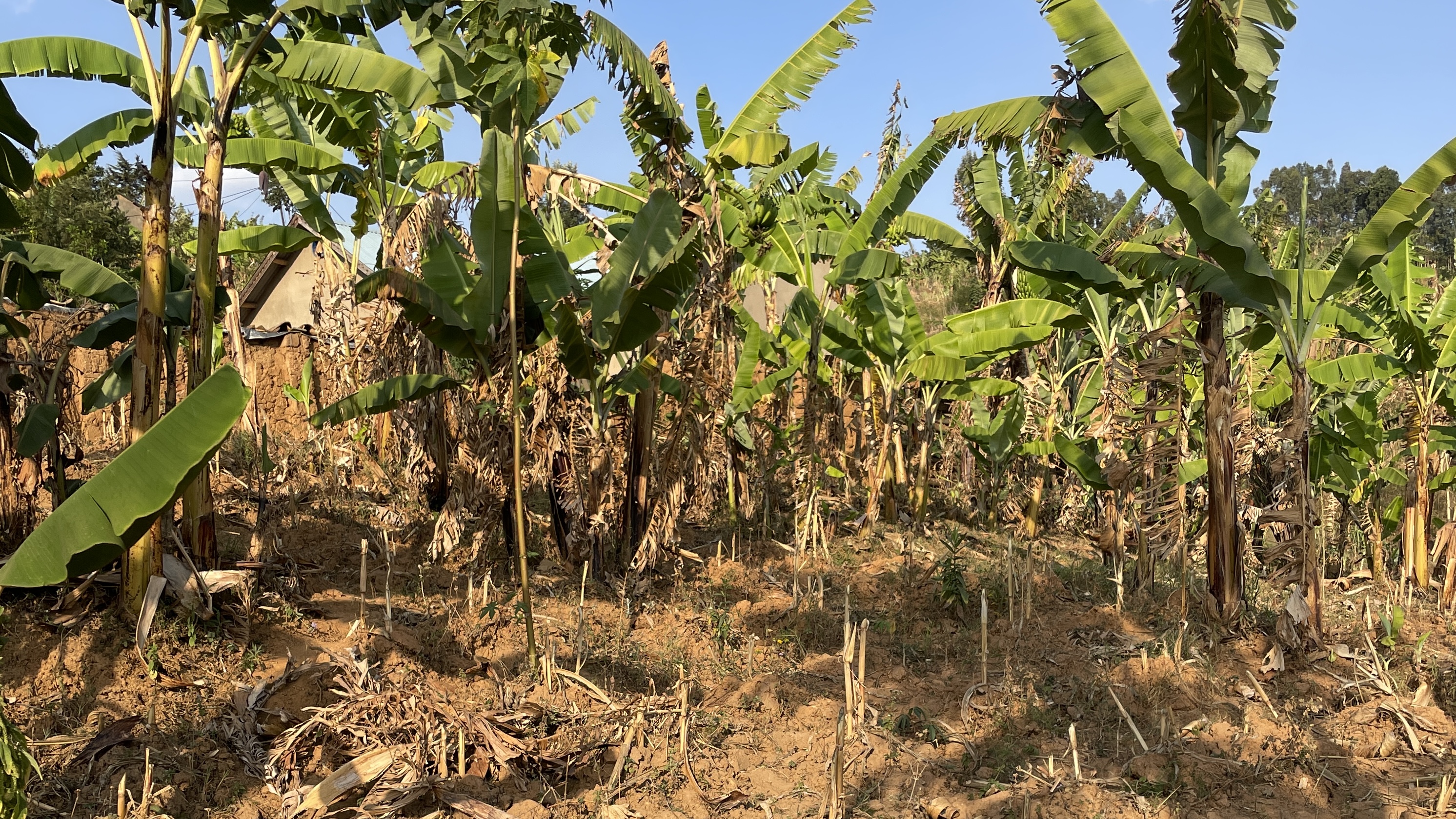
For women farmers in Remera, growing vegetables and fruit is connected to much more than farming. It can affect what families eat, what households spend at the market, and whether women have something of their own to grow and sell.
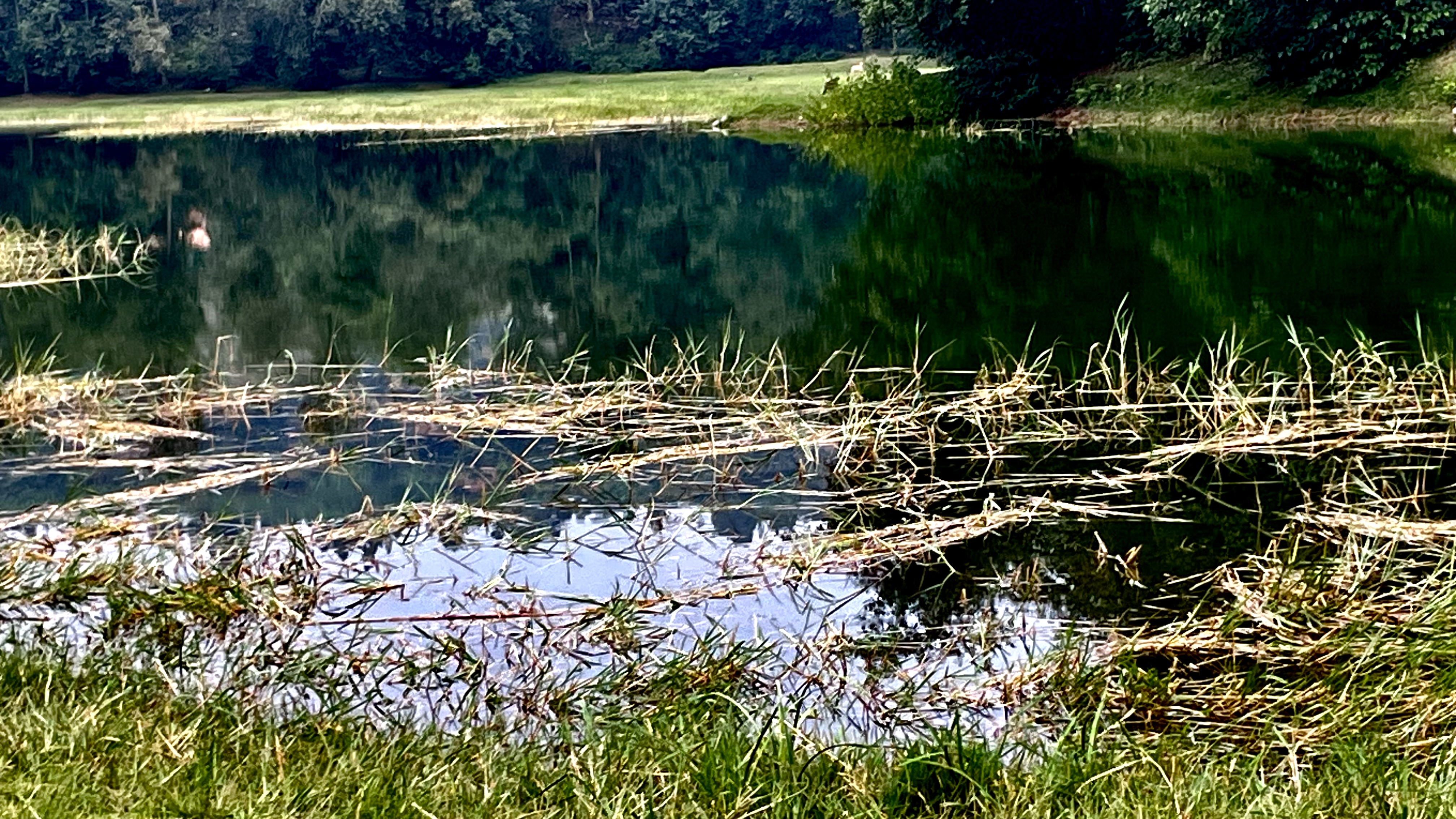
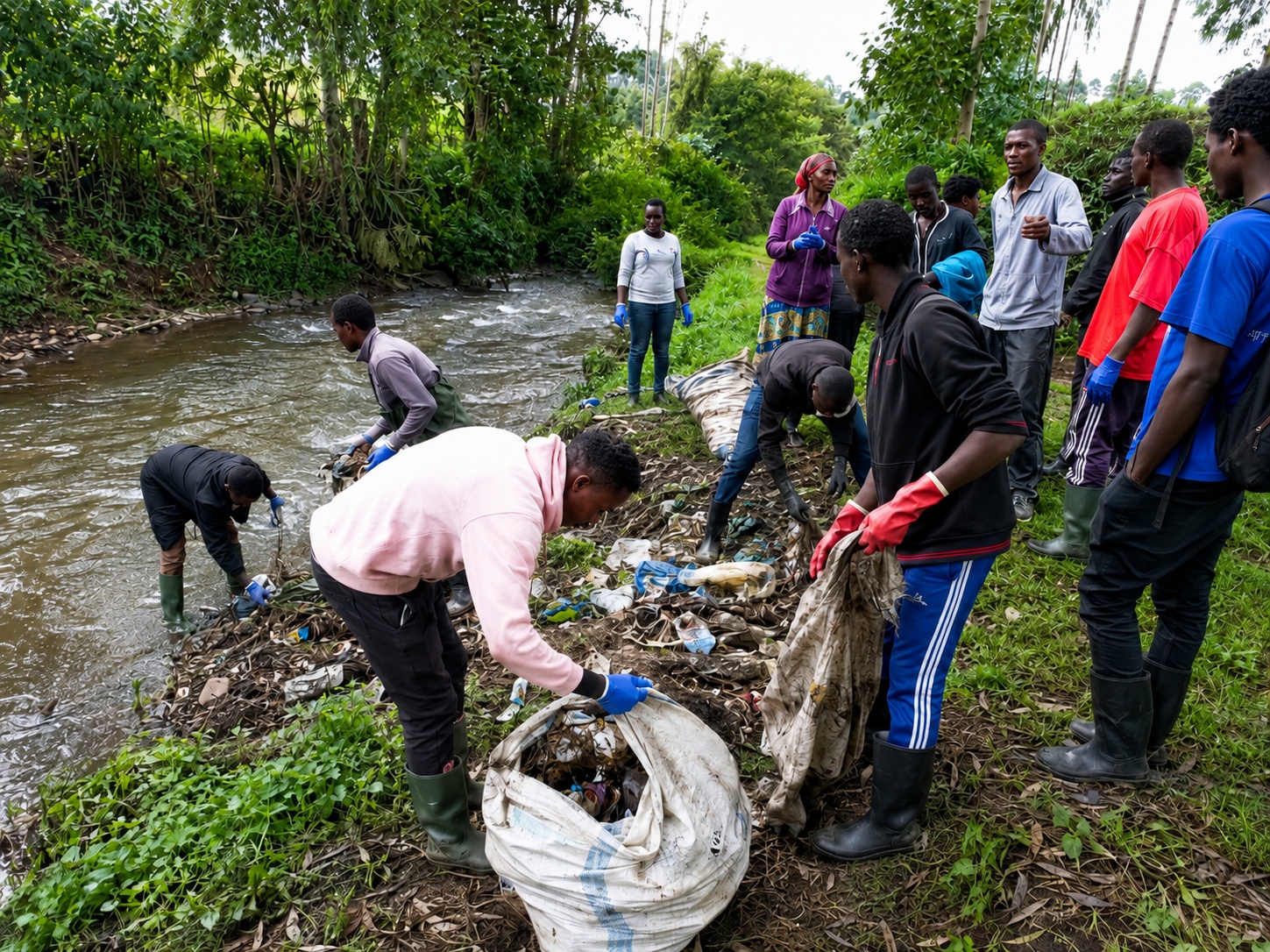
Cleaning a river can change what we see for a day. Keeping it clean requires changing what happens every day. Here is what Mpenge is teaching us about moving from cleanup to stewardship.
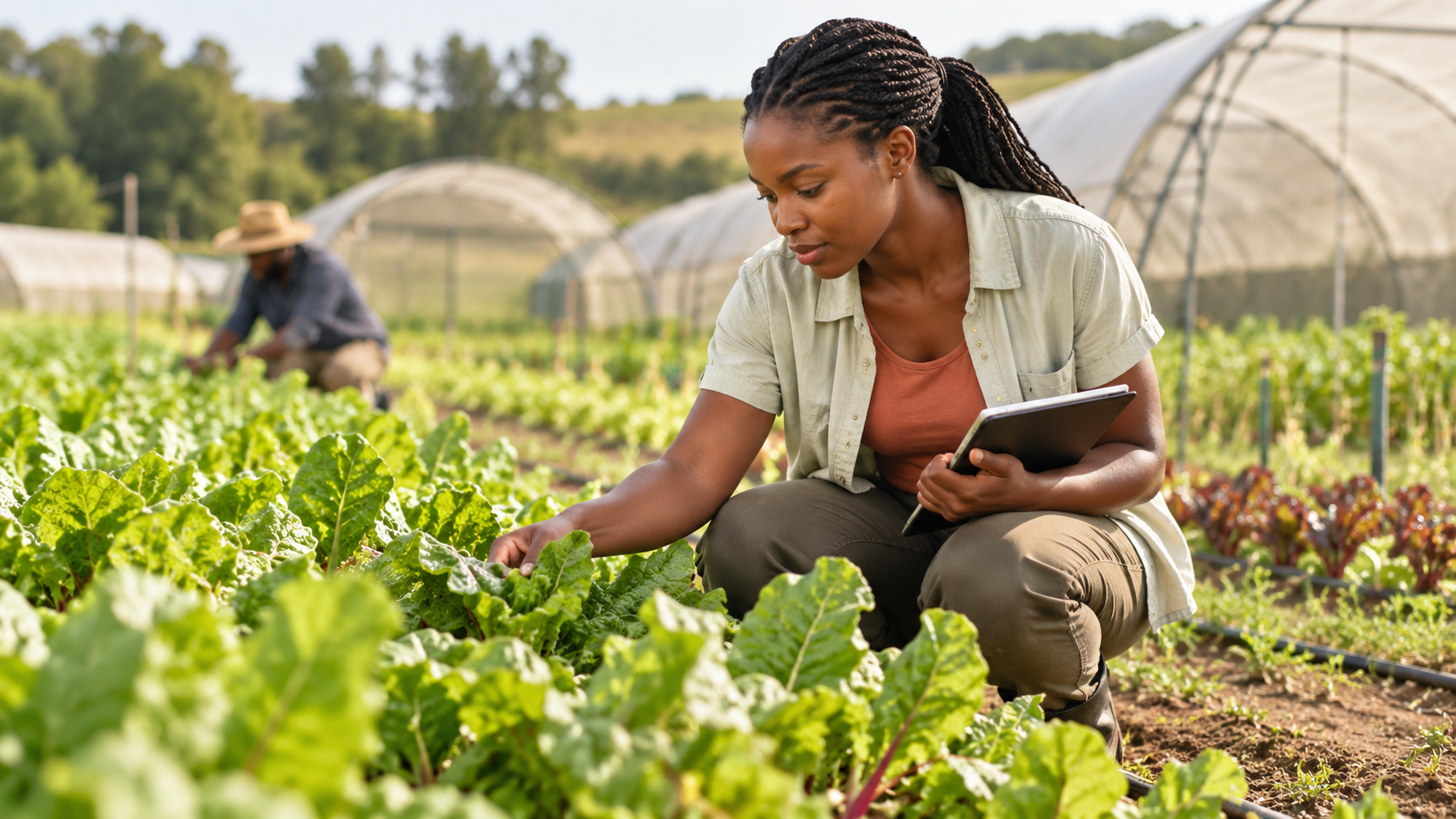
Agriculture is often presented to young people as hard work rather than opportunity. But when it connects with creativity, technology, enterprise and climate action, it can become something worth choosing.
SUPPORT THE WORK