What Happens the Day After a Cleanup?
Published 6 August 2026
Published 6 August 2026
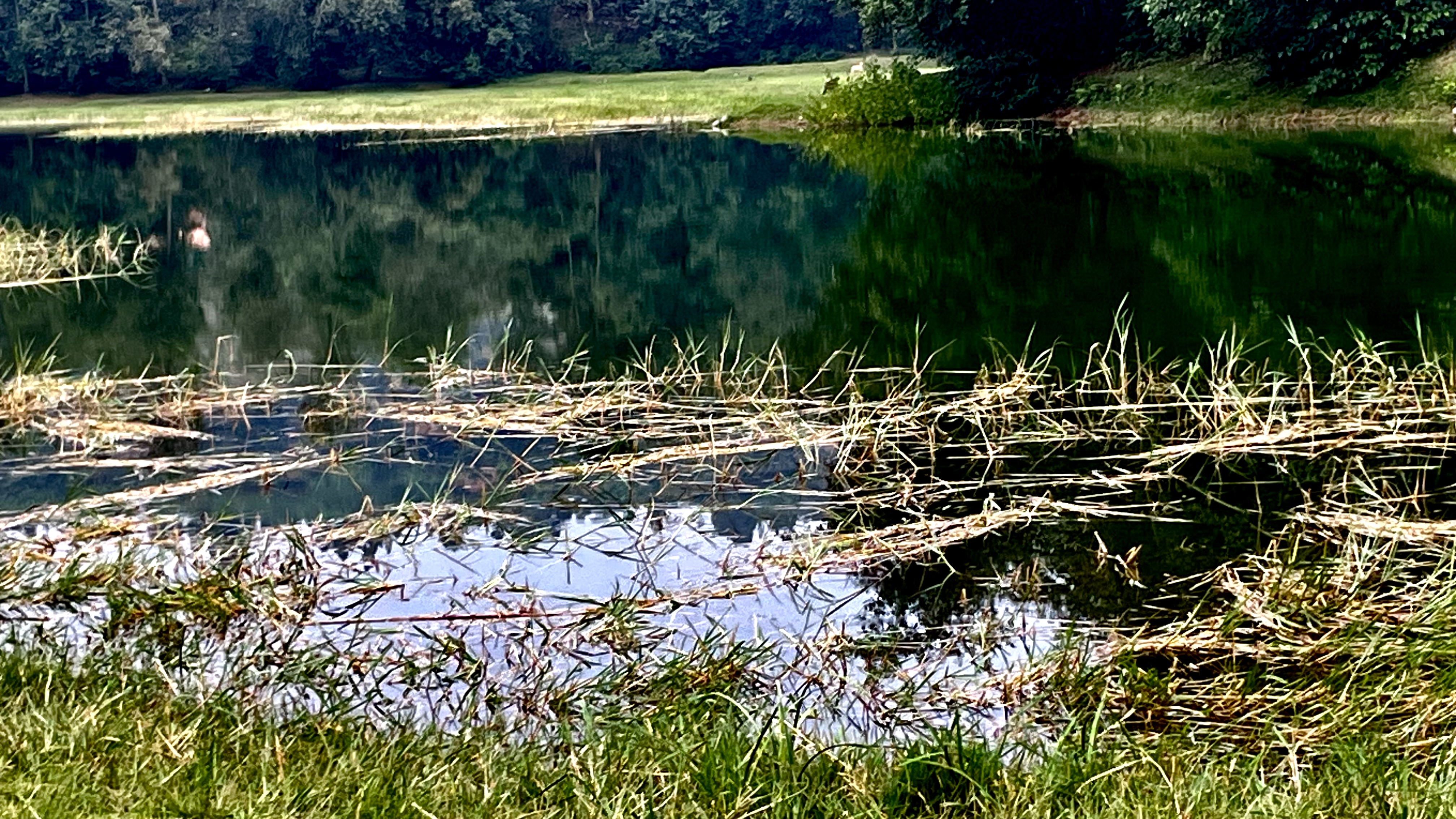
The bags are gone. The volunteers have gone home. The photographs have been taken. But the river is still there.
That is the part of a cleanup we think about most at Nurtiva.
Around the Mpenge River in Musanze, community cleanups have helped remove visible waste and bring young people and residents together around a shared environmental problem. But the most important question begins after the activity ends:
What happens the next day?
A river does not stay clean simply because people collected waste once.
Plastic can return. Household waste can find its way back into drainage channels. Rain can carry litter from roads and surrounding areas into the water. And if the reasons waste reaches the river remain unchanged, another cleanup eventually becomes necessary.

Visible waste tells us where a problem has arrived. The harder question is where it started.
That has shaped the way we think about restoration.
Removing waste from a river has immediate value.
It improves the condition of the area. It brings attention to pollution that people may have become used to seeing. It gives communities a practical way to act together.
But cleanup alone treats what is already visible.
The harder work is understanding why the waste reached the river in the first place.
Is there a lack of convenient waste collection?
Are drainage channels carrying rubbish into the river when it rains?
Do people understand how waste thrown farther away eventually reaches the water?
Are there enough opportunities for residents, schools and young people to take part in protecting the river before pollution builds up?
These are questions that cannot be answered with gloves and waste bags alone.
Mpenge is not separate from the community around it.
What happens on roads, farms, drainage channels, homes and public spaces can eventually affect the river.
And what happens to the river can affect the wider landscape.

Water is part of a wider living landscape: vegetation, farms, homes and the choices people make around it.
This is why Nurtiva is increasingly looking at water through a wider lens: not only as something to clean, but as something connected to soil, food, public spaces, community behaviour and climate resilience.
During our Mpenge WATER Meetup in June 2026, 21 participants came together in Cyabararika, Musanze, to discuss water and the environment around them.
The conversation reinforced something simple:
People often know the problems around them very well. What is sometimes missing is a structure for acting on that knowledge together.
For us, the day after a cleanup should not mean waiting for the next cleanup.
It should mean asking what can change.
That might be a school discussing where its waste goes.
It might be young people observing which drainage points carry rubbish toward the river.
It might be residents identifying places where waste repeatedly accumulates.
It might be better communication about disposal.
It might eventually mean stronger systems for collecting, separating, reusing or reducing waste before it reaches waterways.
Not every solution requires a large project.
Sometimes restoration begins with people noticing a pattern and deciding not to ignore it.
Nurtiva does not want community environmental action to become a series of isolated events.
A cleanup can be powerful.
But stewardship is what happens between cleanups.
It is the person who chooses not to throw waste into a drainage channel.
It is the student who starts asking where school waste ends up.
It is the resident who reports a recurring dumping point.
It is a community that begins to see a river not as an empty space where waste disappears, but as part of the place where they live.
That change in relationship may be harder to photograph than a cleanup.
But it is the change that lasts longer.
Our work around Mpenge is still teaching us.
We have learned that visible action can bring people together quickly.
We have also learned that removing waste does not automatically remove the behaviours and systems that created the pollution.
So our next question is becoming less:
“How much waste can we remove?”
and more:
“How can we stop so much of it from reaching the river at all?”
That is the direction behind Nurtiva’s Community Water Alliance and our broader approach to community-led restoration.
Because a clean river should not only be the result of a good cleanup day.
It should become the result of how a community cares for water every day.
Care today. Respond together. Thrive tomorrow.