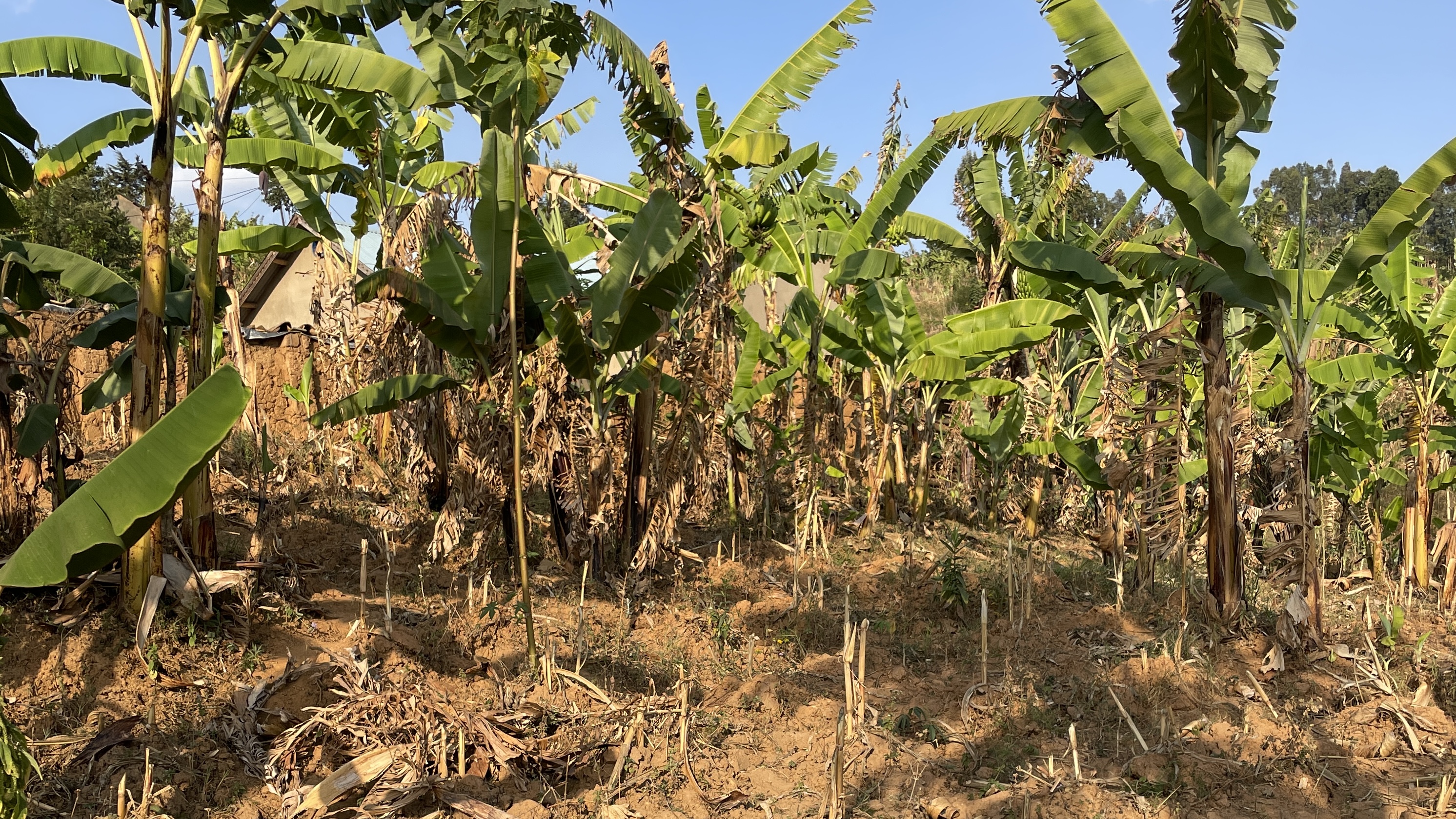
Why an Avocado Nursery and Vegetables Matter to Women Farmers in Remera
Published 13 August 2026
Published 13 August 2026
What changes when a woman can grow some of the food her household would otherwise have to buy?
In Remera, that question is becoming important to the way we think about Green Harvest.
During our conversations in the community, women spoke about vegetables and fruits becoming harder to access when prices rise.
For a household, that can turn everyday foods into difficult choices.
Buy vegetables today, or use the money for something else?
Buy fruit for the family, or wait?
These are not only questions about markets.
They are also questions about what can be grown locally.
Women are not waiting for Nurtiva to explain what farming means to them.
They already know.
They know what foods their households use regularly.
They know which vegetables become expensive.
They know how much work goes into keeping a small plot productive.
And they know what happens when water is not available when crops need it.
That knowledge needs to shape the project.
Green Harvest should therefore not begin with a nursery simply because planting trees sounds environmentally useful.
It should begin by asking:
What would women actually choose to grow if water, seedlings and practical support were more reliable?
Vegetables can provide something fruit trees cannot provide immediately: food within a much shorter growing cycle.
For women managing household meals, that matters.
A productive vegetable plot can contribute directly to what is cooked at home and, where there is surplus, create something that can potentially be sold.
But vegetables also need regular care.
They need suitable soil.
They need water.
And they need a production system that women themselves can realistically manage.
That is why our irrigation conversations matter so much.
A nursery or vegetable garden without a workable water plan can quickly become another promise that is difficult to maintain.
Avocado trees tell a longer story.
A seedling planted today is not an immediate meal.
It requires time.
Care.
Water.
Protection.
And patience.
But that longer horizon can also create another form of value.
Fruit trees can become part of household food production, farm diversification and longer-term livelihood planning.
A community nursery could also make planting material more locally accessible rather than treating every seedling as something that must arrive from outside.
The important question is not simply:
How many seedlings can we produce?
It is:
How many can be planted, cared for, survive and eventually become useful to the people growing them?
That distinction matters to Nurtiva.
Producing seedlings is an output. The stronger story begins later: what survives, what people maintain, and what difference that makes.
This is why vegetables and avocado seedlings can complement each other.
Vegetables respond to more immediate household food needs.
Fruit trees ask us to think longer term.
One works across shorter production cycles.
The other requires years of care.
Together, they can help us ask a bigger question about Green Harvest:
How can farming support what families need today without forgetting what they will need tomorrow?
But we should not answer that question for women in Remera.
They need to be part of answering it.
Our next step is to return and listen more specifically.
Which vegetables do women most want to grow?
Which are most expensive to buy?
What do they already know how to produce?
How much land is realistically available?
Where would nursery water come from?
Who would care for seedlings during dry periods?
Would women prefer seedlings for their own farms, vegetable production, nursery enterprise, or a combination?
Those decisions should shape Green Harvest before infrastructure is built.
Because a community nursery should not simply be something Nurtiva establishes in Remera.
It should become something women can influence, use, maintain and improve.
The goal is not only to grow seedlings.
It is to make it easier for people to grow food, build livelihoods and care for what comes next.
Care today. Restore together. Thrive tomorrow.