What Women Told Us About Water, Vegetables and the Daily Plate
Published 24 August 2026
Published 24 August 2026
What does irrigation have to do with what a woman can put on the table tonight?
Before our recent community conversations, it would have been easy to talk about irrigation mainly through farms, pumps, water storage and production.
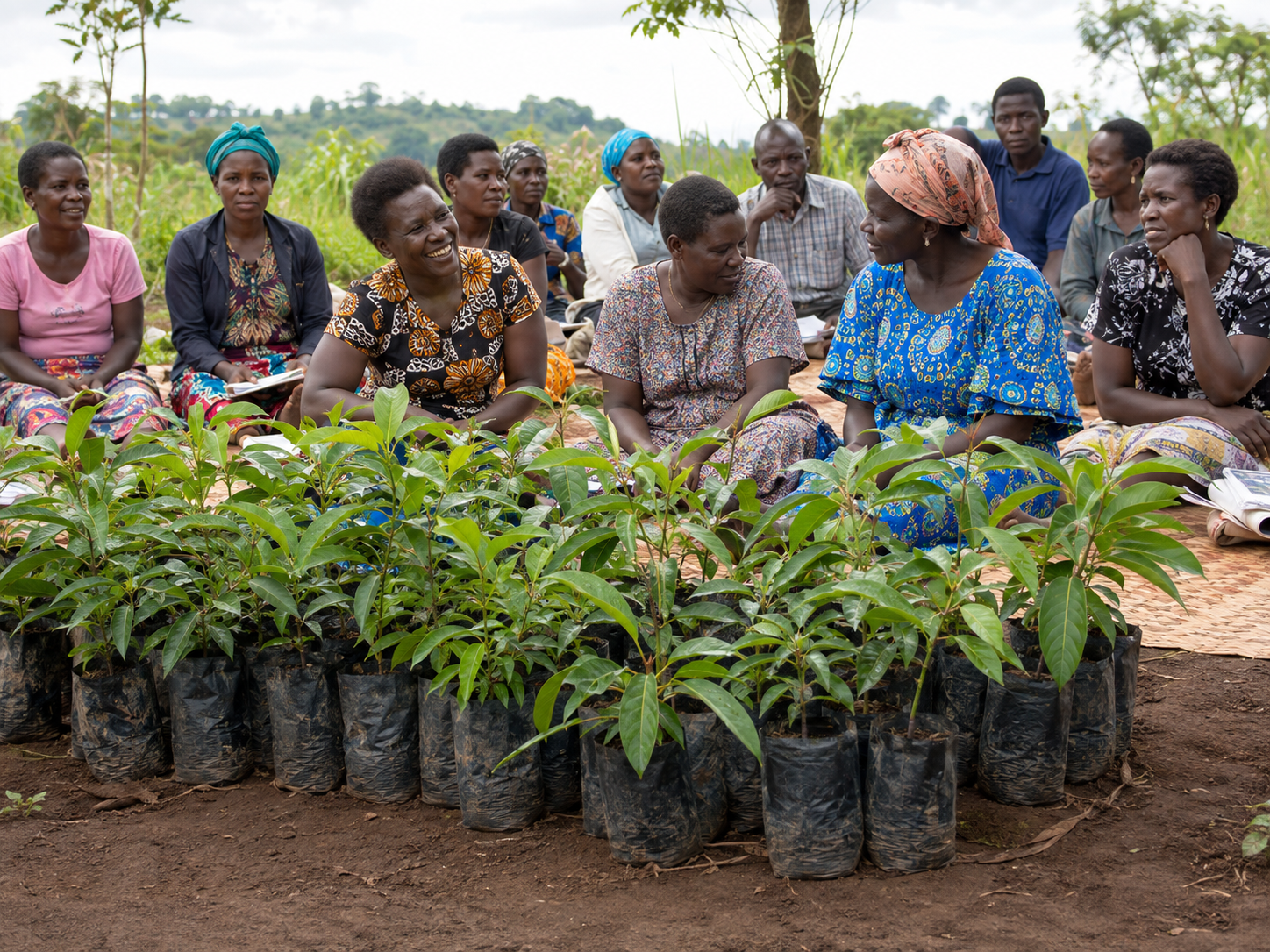
The women we listened to made the issue more immediate.
They spoke about vegetables and fruit becoming harder to buy regularly because prices are high.
That shifts the conversation.
Water is not only a technical question for a field.
It can become a household food question too.
When vegetables are difficult to produce locally, families can have fewer affordable choices. When prices rise, the person managing meals may have to decide what can stay in the basket and what has to wait.
We should not overstate what we know. We have not yet collected enough price data to say how much current food costs are caused by irrigation challenges.
But community experience is telling us where to look next.
Women are noticing what reaches the market.
Growers are noticing what survives in the field.
Nursery operators are noticing what repeated water problems do to their willingness to continue.
And one grower is already trying to hold water himself so he can keep vegetables growing.
Together, these observations suggest that local vegetable access cannot be separated neatly from how water is managed.
We want to ask women more specific questions about the vegetables they buy most often, which ones have become harder to afford, and how household food choices change when prices rise.
At the same time, we need to ask growers what prevents them from producing those same vegetables more consistently.
Then we can compare the two sides of the same food system.
The goal is not to arrive with a conclusion before the evidence.
It is to understand whether better local water management could help make fresh vegetables more reliable from field to market to plate.
If women are telling us that healthy food is becoming harder to reach, that is not a side note. It is part of the design question.